
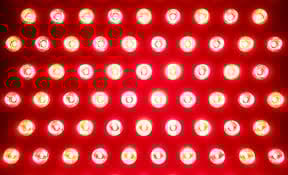
Red light therapy is often described as “sleep-friendly,” but not all red or near-infrared wavelengths behave the same way in the body. Some are better suited for calming evening use, while others may feel neutral or even mildly stimulating depending on intensity and timing.
Understanding which wavelengths interact most gently with circadian biology can help you use red light safely without disrupting sleep.
Why Wavelength Matters for Sleep
Light affects the body primarily through the circadian system. Specialized receptors in the eyes respond strongly to short-wavelength light (blue and bright white), which suppresses melatonin and signals daytime alertness.
Longer wavelengths — red and near-infrared — interact far less with these receptors. This is why red light is commonly used in evening environments and night-vision settings.
However, wavelength also influences how deeply light penetrates tissue and which biological processes are affected, so selecting the right range matters.
The Sleep-Friendly Wavelength Range
Most research and practical experience suggest the following ranges are best suited for evening or pre-sleep use.
630–660 nm (Red Light)
• Superficial tissue penetration
• Gentle interaction with circadian signaling
• Common in low-intensity red therapy panels and bulbs
• Often used in evening light environments
This range is typically the most conservative choice for people sensitive to stimulation.
810–880 nm (Near-Infrared Light)
• Deeper tissue penetration
• Strong mitochondrial and circulation effects
• Often used for muscle recovery and pain reduction
• May feel energizing if used too late or too intensely
Near-infrared is still unlikely to suppress melatonin directly, but its metabolic stimulation can feel activating in some individuals if used right before bed.
Which Range Is Best for Sleep?
For most people:
• 630–660 nm is the safest choice for evening relaxation
• 810–880 nm is better earlier in the evening or daytime
Many modern devices combine both. In that case, evening sessions tend to work best when:
• Intensity is kept moderate
• Exposure time is limited
• Sessions occur at least 1–2 hours before bed if sensitivity is present
Why Blue and White Light Should Be Avoided at Night
Blue-heavy light (400–500 nm) strongly suppresses melatonin and delays sleep onset. This includes:
• Phone and tablet screens
• Computer monitors
• Bright overhead LED lighting
This is why red-toned environments feel calmer in the evening — they do not send a strong “daytime” signal to the brain.
Intensity and Timing Matter More Than Raw Power
Even sleep-friendly wavelengths can backfire if:
• Intensity is too high
• Sessions are too long
• Light is used immediately before bed
In practice, many people find that:
• 10–20 minutes of moderate red light
• Used earlier in the evening
• Combined with dim ambient lighting
is the most comfortable approach.
Practical Takeaway
• Red light (630–660 nm) is typically best for evening use
• Near-infrared (810–880 nm) is better for recovery but may feel stimulating late at night
• Avoid blue or bright white light near bedtime
• Keep intensity moderate and timing consistent
Where to Go Next
Now that you understand which wavelengths are most appropriate for sleep, the next step is learning how to use red light therapy in the evening without overstimulation — including timing, session length, and device settings.