
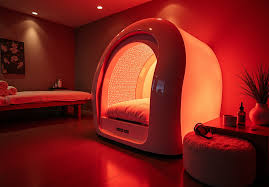
Red light therapy is often considered evening-friendly, but how you use it matters just as much as which wavelength you choose. Intensity, timing, and session length can determine whether red light feels calming — or unexpectedly stimulating.
This guide explains how to use red light therapy in the evening in a way that supports relaxation and minimizes sleep disruption.
Why Timing Matters More Than Most People Realize
Even though red and near-infrared light do not strongly suppress melatonin, light exposure still sends signals to the nervous system. Bright or prolonged sessions too close to bedtime can increase alertness by stimulating circulation and cellular energy production.
For most people, the goal is to use red light in a way that:
• Encourages physical relaxation
• Reduces pain or tension
• Avoids triggering a daytime alertness signal
Timing is the easiest variable to adjust.
Best Time of Evening to Use Red Light Therapy
A practical guideline:
• Early evening (1–3 hours before bed) tends to work best
• Right before bed may feel stimulating for sensitive users
Many people find that finishing a session at least 60–90 minutes before sleep allows the body to settle naturally afterward.
Session Length: Keep It Moderate
Longer sessions are not always better at night.
Typical evening-friendly ranges:
• 10–20 minutes for red light (630–660 nm)
• 10–15 minutes if near-infrared is included
• Shorter sessions when using high-output panels
If a session leaves you feeling wired, simply shorten it next time.
Intensity: Lower Is Often Better in the Evening
High-output devices work well for daytime recovery, but in the evening:
• Moderate brightness is usually sufficient
• Avoid standing very close to powerful panels
• A gentle red glow is often enough
The goal is comfort, not maximum power.
Room Lighting Still Matters
Red light therapy works best when paired with a low-stimulation environment:
• Dim warm room lighting
• No bright overhead LEDs
• Reduced phone or computer use afterward
This combination helps the brain shift smoothly toward sleep mode.
Signs Your Evening Sessions Are Too Stimulating
Adjust your approach if you notice:
• Feeling unusually alert after sessions
• Difficulty falling asleep
• Restlessness or racing thoughts
Simple fixes include:
• Move the session earlier
• Reduce duration
• Lower intensity
• Use red-only mode instead of combined near-infrared
Practical Evening Setup Example
A simple routine many people find comfortable:
• Early evening session (around 7–8 pm)
• 10–15 minutes of red light
• Moderate distance from the panel
• Dim ambient room lighting
• No screens afterward
Small adjustments make a big difference.
Key Takeaways
• Evening red light works best when used earlier rather than right before bed
• Shorter, moderate sessions are usually more calming
• Lower intensity often feels better at night
• Room lighting and post-session habits matter
• Individual sensitivity varies — experiment gently
Where to Go Next
Now that you understand evening usage, the next step is choosing the right type of device depending on your goals.