
Same 272 lasers. Same wavelengths. Very different price.
Before spending $1,000+ on a laser cap, it’s worth knowing what actually matters. After comparing both side by side, the biggest difference isn’t performance — it’s how much you pay.
- 272 laser diodes
- Same 650nm wavelength
- Nearly identical design
- Price difference of $300+
Check Illumiflow Price (Often $300–$500 Less for Similar Specs):
Check Illumiflow PriceWant the quick version? See the same-specs, better-value breakdown.
Most people don’t realize how similar these are until they compare them side-by-side — and that’s where one option clearly delivers more for what you spend.
Understanding the Price Difference
If you’ve looked at laser caps, you’ve probably noticed pricing can vary quite a bit — which raises a simple question: what are you actually getting for the extra cost? That’s what led me to take a closer look at two of the more well-known options: the Illumiflow 272 and the Kiierr 272.
At first glance, it’s not immediately clear why there’s such a noticeable difference in cost between the two. But when you break things down side-by-side, the picture becomes much clearer.
Here’s what they look like side-by-side:
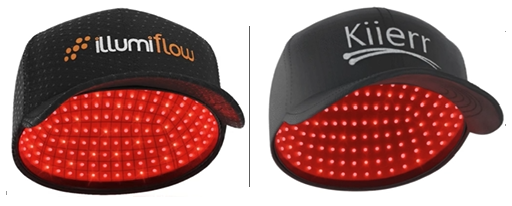
Quick Comparison: Illumiflow vs Kiierr 272
Here’s a look at their key specs:
| Feature | Illumiflow 272 | Kiierr 272 |
|---|---|---|
| Laser Diodes | 272 | 272 |
| Wavelength | ~650nm | ~650nm |
| Total Power | ~1360 mW | ~1360 mW |
| Price (Retail) | $899 | $1199 |
| Warranty | 2 years | 2 years |
| Return Period | 12 months | 7 months |
As you can see, the core specifications are very closely matched. The most noticeable difference is the price.
Another difference that may matter to some people is the return period. While both offer similar warranty coverage, Illumiflow has a longer return window, which can give you more time to decide if it’s a good fit.
How Similar Are These Two Laser Caps?
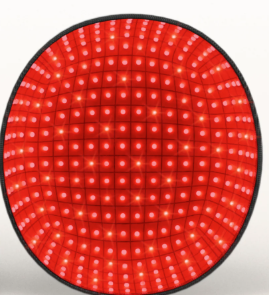
When comparing devices like these, the most useful place to start is with the core specifications. If you’re not familiar with what to look for, I go into more detail in this guide on how to choose a red light therapy device.
Both the Illumiflow 272 and the Kiierr 272 use 272 laser diodes and operate in the same general wavelength range, around 650nm, which is part of the red light spectrum commonly used in red light therapy. These are the primary factors typically associated with how laser caps deliver light to the scalp.
They also have a similar total power output, generally cited at around 1360 mW.
Looking at these specs, there isn’t much separating them in terms of how they function.
So if performance is similar, the real decision comes down to value — and for most people, that means choosing the option that delivers the same specs — at a significantly lower price.
A Closer Look at Design
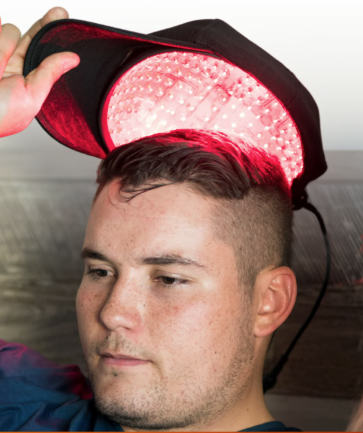
Both devices use a cap-style design, which is one of the reasons this category has become popular. The design allows for even coverage across the scalp without requiring you to hold a device in place during use.
In practical terms, both caps are easy to use and fit into a routine the same way — you simply wear them like a standard hat during each session. Because of that, the real decision usually comes down to price and overall value, not convenience.
From a design standpoint, there isn’t a significant difference between the two. They follow a very similar approach in how they’re intended to be used.
What the Price Difference May Reflect
When two products share very similar core specifications, pricing differences often come from other factors.
This can include brand recognition, marketing, packaging, and warranty structure. Some companies invest more heavily in branding and positioning, which can influence the final price.
That doesn’t necessarily mean one device is better than the other. It simply means that price isn’t always tied directly to differences in the underlying technology.
Do Discounts Change the Comparison?
Both brands may offer discounts at different times, so it’s worth checking current pricing before making a decision.
Illumiflow typically offers around $200 off with a code. At the current price of $899, that brings it down to about $699 with code CYB.
After comparing specs and real-world use, most people end up choosing the option that delivers the same results for less:
Check Illumiflow Price (Typically $300+ Less)
Kiierr may also run promotions depending on the time of year, so it’s worth checking their current pricing as well:
Even when discounts are applied, the price gap often remains significant — which is why many buyers end up focusing on overall value rather than brand name.
Which One Makes More Sense?
The choice between these two devices often comes down to what you value more.
For some people, brand familiarity and reputation play a role, and paying more for a more established name may feel worthwhile.
For others, the focus is more on core specifications and overall value. When you compare diode count, wavelength, and total power output, the two devices are much closer than the price gap might suggest.
Final Thoughts
What stands out in this comparison isn’t a dramatic difference in the technology itself, but how similar the two devices are in the areas that matter most.
That’s what makes the difference worth taking a closer look at — especially when discounts are available.
If you’re considering either option, it’s worth checking both before making a decision:
Illumiflow (use code CYB for $200 off):
Check Illumiflow price
Kiierr:
Check Kiierr price
As with most products in this category, the best choice depends on your priorities—but it helps to understand what you’re actually paying for.